Lorem ipsum dolor sit amet, consectetur adipiscing elit. Aliquam varius, nisl vitae dapibus consectetur, libero leo malesuada nibh, at facilisis dui est id ipsum. Nulla facilisi. Aliquam interdum eleifend massa, eget aliquet libero elementum id. Maecenas tincidunt semper tellus eget pharetra. Aliquam rutrum leo vitae erat elementum convallis. Nunc tincidunt elit dapibus, vulputate odio sed, viverra enim. Pellentesque nisi velit, varius ut mattis non, pulvinar eget dui. Vivamus vel justo volutpat, sollicitudin augue at, venenatis ex. Sed accumsan, elit at sodales congue, massa odio consectetur magna, ac posuere elit magna at massa. Donec ullamcorper fringilla nunc in rutrum. Nulla porta, arcu ut convallis tristique, metus turpis interdum magna, ut porta tortor ante in orci.
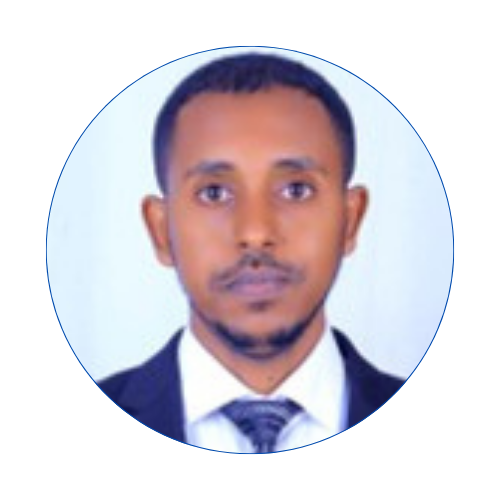
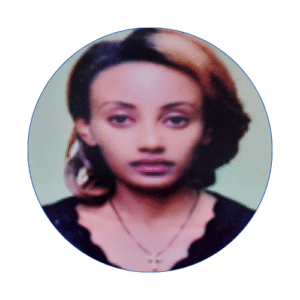
Abel Afework| Educational background |
Masters of Public Health in Environmental Health Science, Hawassa University, 2019
Bachelor of Science in Environmental Health Science, Hawassa University, 2010 |
|
| Work experience |
|
|
| Research interest | Water Sanitation and Hygiene; WASH governance; Occupational health and Safety; Food Safety; Patient Safety; Healthcare Quality | |
| Brief description of proposed PhD research | Challenges and opportunities in Water, Sanitation and Hygiene governance in health facilities: Insight from Ethiopia
Water, sanitation, and hygiene (WASH) services are a basic human right. Under Sustainable Development Goal 6, the United Nations aimed to ensure universal and equitable access to water, sanitation, and hygiene for all by 2030. Despite, majority of the healthcare facilities lack basic WASH services lagging far behind the SDGs 2025 target in Ethiopia. In Ethiopia, the critical challenge of inadequate Water, Sanitation, and Hygiene (WASH) services within healthcare facilities poses a significant threat to public health with only limited facilities having improved water source and sanitation facilities. The challenges hampering the provision lies critical issues within the governance structures overseeing WASH initiatives in healthcare institutions. Therefore this study adopts a governance approach to comprehensively investigate and understand the dynamics of Water, Sanitation, and Hygiene (WASH) governance within the Ethiopian health care system. |
|
| Publications |
|
|
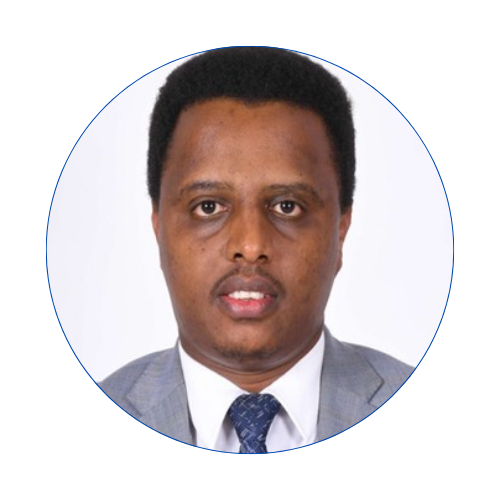
Befekadu Bogale| Educational background | M.A in Theory and Practice of Human Rights, University of Essex, UK (2021).
M.A in International Relations, AAU (2013). B.A in Political Science and International Relations with minor in Public Administration and Development Management, AAU (2009). |
|
| Work experience | Researcher, Ethiopian Institute of Foreign Affairs, Addis Ababa, Ethiopia.
Graduate Assistant, Lecturer, Dire Dawa University, Dire Dawa, Ethiopia. |
|
| Research interest | Rights-based approach, the Environment, Development Cooperation, Governance, Regional Integration | |
| Title and brief description of proposed PhD research (150 words) | Environmental Protection and Governance in the city of Addis Ababa, Ethiopia: A Human Rights Perspective
This study will provide a rights-based analysis of the environmental protection and governance in the city of Addis Ababa. Accordingly, the limitations of the existing environmental instruments, institutions and practices will be assessed from the human rights perspective. Subsequent, the possible contributions of the rights-based approach to remedy the limitations and to enhance the environment-related development endeavours of the city will be explored. The data will be collected from primary and secondary sources. Particularly, the primary data will be mainly collected from the key informants through the key informant interviews. The analysis will be informed by the relevant judgments and other deliberations of the regional and global human rights bodies and by the pertinent policies and practices of the intergovernmental and nongovernmental organizations and the development cooperation agencies. The study will set recommendations that may contribute for the effectiveness of the ongoing, planned and future green initiatives and the environment-related development activities of the city. |
|
| Publications |
|
|
Dagnachew Terefe| Educational background | BA (2014) and MA (2019) Degrees in Sociology from Addis Ababa University. | |
| Work experience |
|
|
| Research interest | Gender and Development, Urban Social Problems, Poverty and Food insecurity, Migration and Displacement, Health and Society, Politics and Society. | |
| Proposed title of PhD research | The Right to Adequate Housing: Slum and squatter challenges and the problem of informal settlement regularization in Addis Ababa, Ethiopia.
Informal settlements in Ethiopia, particularly in Addis Ababa are traced to a lack of enlightenment of the public on planning regulations, unwillingness to accept laid down regulations, and the high cost involved in getting the right land. Addis Ababa is the capital city of Ethiopia many people are migrating to Addis Ababa, and it creates great tension for administration and the hastening of social-related turmoil in the country. Accordingly, it requires urgent solutions for the issues through deep and nearly investigation in the communities and cooperation with government stakeholders. The general objective of the study is to investigate slum and squatter settlement challenges and the issues of informal settlement regularization in Addis Ababa, Ethiopia through the employment of qualitative research approach. Specifically, the study will attempts to investigate the prevailing factors of squatter settlement in Addis Ababa; explore the challenges of slum and squatter settlement on household livelihood; examine the government’s failures to implement land and settlement policies; and understand affordable price issues associated with informal settlement regularization. |
|
| Publications | ||
Daniel Bisset
| Educational background |
|
|
| Work experience |
|
|
| Research interest | Sustainable development and media. | |
| Proposed PhD research | “The influence of media ownership on media coverage of sustainable development issues in Ethiopia: A comparative study of state-owned and privately-owned media.”
Media can play a significant role both in promoting development, or, conversely, it can be used for the derailment of development. So the main objective of the proposed study is to compare and contrast the coverage of sustainable development issues by state-owned and privately-owned media outlets in Ethiopia. This allows the determination of whether the ownership structure of media outlets influences their coverage of sustainable development. I believe this study will be significant in bringing a positive impact on the understanding of the complex relationship between media ownership, and sustainable development. |
|
| Publications | [Books – in Amharic]
|
|
Eyob Asfaw| Educational background |
|
|
| Work experience | As of 2015, Eyob is currently serving as a ‘Lecturer of Moral and Civic Education’ and Senior Expert of Community Services at AAU. In the past, from Sept 2020 until March 2022 he used to serve as a ‘Project Administrator’ for Boundary and Identity Issue (ABII) Project hosted at AAU and commissioned by the former FDRE- ABII Commission.
In 2019, he participated in a study on ‘Mass Based Societies’ commissioned by Ministry of Peace, Ethiopia from April 2018- November 2019. In 2020, he participated in a study of the impact of COVID 19 on the essential services provided by the Ethiopian red cross for the vulnerable migrants. Added to that, his consultancy included producing white papers ‘Youth and Governance’ and ‘Youth and Climate change which is deposited at the Website of Talent Youth Association (https://tayaeth.org/resources/ ) Out of his voluntary engagement, until now he is serving as a member of organizing committee for ‘HoHE awards’ since 2017. Also, he is a member of executive board of Ethio-Think Tank Group. On the other hand,, his commentary and OP-ED has appeared on Capital newspaper, and Addis Insight. Added to that, he regularly blog through https://eyobasfaw.wordpress.com/ |
|
| Research interest | Governance, Development, Inclusion Democracy, Non-State Actors , Peace and Conflicts | |
| Proposed PhD research | (Un-)employment Governance and Policy Analysis in Ethiopia from 1974 to date
This study will examine the linkage between (un-) employment and governance in a manner of diagnosing the causes, structural challenges, issues of policy coherence/incoherence, with all actors in its governance spectrum. By and large, the interface between the (un-)employment and its congruent multi-sectorial policy implementation will be studied employing the rational steps of quant+ Qual drawn from mixed approach. Therefore this PhD research will cover the congruence between the (un-) employment and multi-sectorial policy implementation drawing from empirical evidences generated down the line from 1974 to date.The rationale of the study relies on the fact that the unequivocal need to illuminate empirical knowledge’s on unemployment governance area through igniting debates on methodological/conceptual tools of how to approach the study on unemployment governance. In corollary, the furtherance of ontological understanding on the global knowledge on unemployment governance would be emboldened. |
|
| Publications |
|
|
Eyob Messafint H/mariam
| Educational background |
|
|
| Work experience |
|
|
| Proposed PhD Research | “Dependency or Development? Examining the Long-Term Effects of USAID Assistance on Ethiopia’s Economic and Social Growth.”
Eyob’s research intends to explore the intersection of development, peace and security, and political science. His proposed dissertation research focuses on understanding the impact of international aid on national development. This research aims to analyze and examine the long-term effects of USAID aid on Ethiopia’s economic development. The main focus will be on whether this assistance has fostered aid dependency or sustainable growth. The study will explore the role USAID plays in shaping Ethiopia’s policy making landscape, it will examine how aid programs influence economic decision making and also examines the role this aid plays in the development of key sectors like health and agriculture. The research will also assess whether USAID funded projects have left a lasting impact with a special focus on the sustainability of these programs after donor withdrawal. By studying the particular case of USAID in Ethiopia, the research intends to examine interplay between foreign aid and its dependency, its effect on indigenous development efforts, and influence the country’s path towards economic independence and development. The research will employ both qualitative and quantitative methods to explore the complexities of aid dependency in the Ethiopian context. He aims to bring multidimensional academic and work experience to bring a novel insight into the impact of aid on Ethiopia’s development and sustainability. |
|
Firew Abera| Educational background |
|
|
| Work experience |
|
|
| Research interest | Poverty, Hunger, Quality Education, Gender Equality, Decent Work & Economic Growth and Supply Chain Management. | |
| Title and brief description of proposed PhD research (150 words) | The Impact of FDI flows on Sustainable Development: Poverty, Hunger, Quality Education, Gender Equality, and Decent Work & Economic Growth. | |
|
Publications
(if any) |
|
|
Gebretsion Mehari| Educational background | BA in Journalism and Communication (from Mekelle University), and MA in Journalism and Communication (from Addis Ababa University) | |
| Work experience | I have been working as a lecturer, trainer, career counselor, researcher, and community services provider for 14 years at Mekelle and Wollega Universities. | |
| Research Interest | Media and communication for development, media for peacebuilding, communication for conflict management | |
| Title and brief description of proposed PhD research (150 words) | Exploring Media Sphere of Influence to Promote Peaceful and Inclusive Societies in Tigrai to Attain Sustainable Development Goals
Currently, security issues are the most critical dismay of the community in developing nations on the ground. The media sphere of influence to promote peaceful and inclusive societies to attain sustainable development goals will be examined. Methodologically speaking, a mixed approach will be applied. The experiences of editors, reporters, media managers, public relations practitioners, social media activists, and opinion and religious leaders who are living in Mekelle, Aksum, Adigrat, and Maychew will be entertained. I will use agenda-setting and framing theories as frameworks. In societies like Tigrai, which are in a post-conflict environment, the role of media is irreplaceable for genuine participation and inclusion with another agent. So, this research will explore the role and how media creates spheres of influence to promote peaceful and inclusive societies intending to make development sustainable. |
|
| Publications |
|
|
Hirut Alemayehu| Educational background |
|
|
| Work experience |
Multi- Sectoral HIV/AIDS Response Team Leader July 8, 2019 – Present
Project Appraisal and Resource Mobilization Expert June 8, 2017 – July 7, 2019
Social Mobilization and HIV/AIDS Mainstreaming Coordinator August 7, 2013 – June 7, 2017
Social Mobilization and HIV/AIDS Mainstreaming Coordinator September 11, 2012 -August 6, 2013
Clinical Health Service Delivery Monitoring Expert January 10, 2012 – September 5, 2012
Senior Clinical Nurse July 8, 2009 – January 9, 2012
Junior Clinical Nurse May 9, 2007 – July 7, 2009
Assistant Instructor October 20, 2005 – November 27, 2006 |
|
| Research interest | Over the years, I have actively pursued professional development opportunities to enhance my skills and knowledge in various aspects of public health, gender related and HIV/AIDS prevention. These experiences have been instrumental in my growth as a healthcare professional and have positively impacted my ability to make a difference in the field. As aspire to excel my profession and research to address the diverse needs of key priority populations, youth and the general population in the health sector. | |
| Title and brief description of proposed PhD research topic | INEQUALITIES IN HEALTH-RELATED QUALITY OF LIFE (HR-QOL) AMONG MOST VULNERABLE ADOLESCENTS AND YOUTH IN ETHIOPIA: ANALYSIS BASED ON A NATIONALLY REPRESENTATIVE DATA
Adolescents and young people over 1.8 billion worldwide. Sub-Saharan Africa has a notable concentration of youthful people. Additionally, compared to the other, they make up 42% in the Ethiopian setting. Youth and adolescents seen as the shapers of the world’s future. In adolescent and young adults, quality of life develops into a dynamic and mental state that is related with their view of health as well as their goals, hopes and expectations for their current and future circumstances. Within the framework of the sustainable development goals of the United Nations Development Program, quality of life in all of its forms is a crucial factor. Ethiopian adolescent and young people continue to face numerous obstacles and inequalities. Assessments concerning the inequalities in health-related quality of life among young people who are at risk are lacking. In order to close this gap and offer a novel perspective on the quality of life experienced by Ethiopian youth and adolescents. |
|
| Publications | Research Article www.jcimcr.org Journal of Clinical Images and Medical Case Reports
The relationship between viral load status and fertility intention of HIV-positive women of reproductive ages in Addis Ababa: A hospital based study Hirut Alemayehu1 *; Chalachew Getahun2 1 Six Selected Public Hospitals, Department of ART, Addis Ababa, Ethiopia. 2 Center for Population Studies, College of Development Studies, Addis Ababa University, Sidist Kilo Campus 1176, Ethiopia |
|
Luke Ksmsus Tembo|
Name |
LUKE KSMSIJS TEMBO |
|
| Educational background |
|
|
| Work experience | I am an international development specialist. For the past fifteen years I have held various senior position in both government and international Non-Governmental Organizations. Currently I am Diplomat at the Malawi Mission accredited to the Federal Democratic Republic of Ethiopia, African Union and the United Nations Economic Commission for Africa.
Prior, I have worked as a Special Law Commissioner for the Malawi Law Commission, National Director for the Malawi Human Rights Defenders Coalition, Country Manager for Ipas Malawi and the Communications and Advocacy Officer for the Centre for Human Rights and Rehabilitation (Malawi) |
|
| Research interest | Human Rights, Governance and Development, Decentralization, Gender, Poverty , Sexual and Reproductive Health and Climate Change. | |
| Title and brief description of proposed PhD research (150 words) | Locating Human Rights Based Approaches in achieving Sustainable Development Goals; The Contestations, Hesitations and Pathways.
My research aims at strengthening pathways in the utilization of the human rights based approaches in achieving sustainable development across the continuum of stakeholders and institutions anchoring the decentralization structures in Malawi. The study interrogates the extent at which local government players and institution have embraced and utilized the four pronged human rights based approaches namely Global compliance, Programming, Legal Motivation and Rights talk. (Gauri & Gloppen, 2012) on the sustainable development trajectory. |
|
| Publications | J. Strong, E. Coast, T. Fetters, M. Chiweshe, A. Getachew, R. Griffin, L. Tembo; “I was waiting for my period”: Understanding pregnancy recognition among adolescents seeking abortions in Ethiopia, Malawi, and Zambia (March 2023) | |
Mahlet Gashaw| Educational background |
|
|
| Work experience |
|
|
| Research interest | Sustainable construction; Carbon reduction; Waste management; Recycling construction materials; Sustainable construction materials. | |
| Proposed PhD research | “Addressing Challenges in Implementing Sustainable Construction Practices in Ethiopia: A Focus on Building Construction.” My topic delves into the challenges of implementing sustainable construction practices in Ethiopia to tackle complications that arise with rapid population growth and urbanization. It emphasizes the benefits of sustainable construction in reducing energy consumption, carbon emissions, and waste generation. It also focuses on implementation barriers that hinder adaptation of sustainable practices such as policy framework, lack of awareness, sustainable materials and technology, high costs of sustainability, and skilled professionals. The research methodology will use observation, interviews, questionnaires, and data analysis to assess stakeholders’ perceptions and current levels of implementation. Addressing these challenges can lead the Ethiopian construction industry towards a more sustainable and environmentally conscious future. |
|
Sosina Yitay| Educational background |
|
|
| Work experience |
|
|
| Research interest | Sustainable agriculture development | |
| Proposed PhD research | “The Role of Finance in Driving Sustainable Agricultural Transformation in Ethiopia.”
This study examines the role of finance in driving sustainable agricultural transformation in Ethiopia. As it stands, Despite its immense potential, Ethiopia’s agricultural sector faces challenges like low productivity and limited access to finance. Hence, smallholder farmers struggle to access formal financial services, mainly due to their lack of collateral and high interest rates. The study aims to address several research questions: 1) how does limited access to finance hinder sustainable agricultural transformation and reduces farmers’ ability to adopt new technologies; 2) how do different financial institutions impact agricultural productivity, income, and poverty reduction; 3) how does access to finance affect farmers’ adoption of sustainable practices and overall productivity; and, 4) what policies and frameworks can support effective financial solutions for sustainable agriculture? The study will use a mixed-methods approach, combining quantitative data (surveys) and qualitative data (literature review) from various sources. Also, data Envelopment Analysis (DEA) will be used to evaluate the efficiency of different financial institution. |
|
Abdi Fufa Dinsa
| Educational background |
|
|
| Work experience |
|
|
| Proposed PhD research | Governance’s role in the sustainable development of Addis Ababa city’s “Corridor Project”: Challenges, opportunities, and public-private partnerships as policy solutions.
The study will examine the role of governance in the sustainablity of Addis Ababa City “Corridor Project”, with a focus on partnerships between the public and private sectors. It will identify key challenges, explore opportunities, and assess the effectiveness of collaboration between government institutions and private entities as a policy approach to enhance efficiency and sustainability. A mixed-methods approach will be employed utilizing surveys, key informant interviews, and focus group discussions to collect primary data from relevant stakeholders. Secondary data will be analyzed to assess governance models, institutional frameworks, and policy mechanisms shaping the project’s implementation. The findings will contribute to the discourse on urban governance and sustainable development by providing policy recommendations to improve the efficiency, inclusivity and accountability of large-scale infrastructure initiatives. By addressing governance gaps and stakeholder dynamics, this research will support evidence-based policy making and strengthen governance practices in Ethiopia’s urban development sector. |
|
Belayneh Bogale Zewde
| Educational background |
|
|
| Work experience |
|
|
| Research Interest | Public service delivery; Developmental state and governance; Public personnel management; Geopolitics and regional development; Sustainability. | |
| Proposed PhD research | “Good governance and sustainable development nexus in Ethiopia: Emphasis on accelerating economic growth and decent work for all.”
This proposed PhD research aims to explore the intricate relationship between good governance and sustainable development in Ethiopia, with a particular focus on how governance practices influence the achievement of decent work for all, in alignment with SDG 8. The study will adopt a convergent parallel mixed-methods design, combining quantitative data from surveys and secondary datasets with qualitative insights from interviews and focus groups. This approach allows for a comprehensive analysis of governance factors impacting economic and labour outcomes. By proposing strategic governance reforms and interventions, this research seeks to enhance Ethiopia’s capacity to foster sustainable economic growth and improve decent work conditions, thereby contributing to social welfare and equitable job creation. |
|
| Publications |
|
|
Belaynew Mengistu
| Educational background |
|
|
| Work experience |
|
|
| Research Interest | Public finance | |
| Proposed PhD research | “Determinants of Green Financing and its implication to Sustainable Development in Ethiopia.”
The research examines the role of green financing in Ethiopia’s sustainable development, emphasizing the importance of eco-friendly investments in promoting long-term economic growth and environmental protection. Green financing, which encourages innovation and supports environmentally conscious firms, has become more important in the global fight against climate change. Ethiopia, while committed to sustainability, faces barriers to efficiently employing green finance due to a lack of awareness, technical capabilities, and integration into financial systems. Despite current legislation and international backing, the flow of green cash is limited. The study’s goal is to identify the factors that influence green funding in Ethiopia, assess its impact on sustainable development, and make policy recommendations to increase its efficacy. It will look at how green finance is used in important industries such as agriculture, renewable energy, and infrastructure. The theoretical foundation is based on Sustainable Development Theory, which promotes balancing economic, environmental, and social needs. A mixed-method approach will be employed, and will rely on quantitative data collected through surveys and existing records, and doing qualitative research through interviews and document analysis. The findings seek to give policymakers practical insights towards improving the integration of green financing into Ethiopia’s development plan. |
|
Bernabas Petros Genechoe
| Educational background |
|
|
| Work experience |
|
|
| Research Interest | Digital health; Menstrual mobile applications; Health policy; Reproductive health; Gender studies; Public health; Sustainable develoment; Adolescent health; Environmental health. | |
| Proposed PhD research | “Digital Health Governance Strategies for Potential Acceptance and Sustainable Utilization of Menstrual Tracking Mobile Apps among Adolescent Girls in Addis Ababa.” Adolescent health and development are pivotal to achieving sustainable development goals, particularly those related to health (SDG3) and gender equality (SDG5). However, adolescent girls in Africa, including Ethiopia, face significant reproductive health challenges due to limited access to accurate sexual reproductive health (SRH) information, social stigma, cultural taboos and inadequate youth-centered services. These gaps contribute to high rates of teenage pregnancies, menstrual health issues, and sexual transmitted infections. Digital health technologies, particularly menstrual tracking mobile apps, present an innovative opportunity to address these challenges. Globally, such technologies have been effective in improving SRH literacy, enabling self-management, and empowering users to make informed health decision. Despite their global success, the potential of menstrual tracking apps remains underutilized in Ethiopia. The main objective of the study is to explore digital health governance strategies to enhance the acceptance and sustainable utilization of menstrual tracking mobile apps among adolescent girls in Addis Ababa. It will employ a complementary design, integrating longitudinal (prospective cohort) and policy analysis framework (Delphi technique). Using a concurrent mixed-methods approach, the study will determine its sample size by the inverse square root method and adopt a multi-stage sampling strategy. Data analysis will involve Partial Least Squares Structural Equation Modeling (PLS-SEM), alongside thematic and descriptive analysis. |
|
| Publications |
|
|
Daniel Terssa Shone
| Educational background |
|
|
| Work experience |
|
|
| Research Interest | Sustainable employment; Job creation; Foreign direct investment; Trade; Labor migration, Industry development; Skill development; Job creation. | |
| Proposed PhD research | “Firm Dynamics and Job Creation in Ethiopia: Do Firm Size, Age, and Market Selection Matter?”
In Ethiopia, unemployment remains a pressing social and economic problem, despite the country registering tremendous economic growth over the last decade. As the result, policymakers have prioritized job creation, but there is still no consensus on which types of firms contribute the most to sustainable employment. The study explores how firm characteristics influence employment generation in Ethiopia, a country grappling with persistent unemployment despite experiencing strong economic growth in recent years. This study aims to bridge that gap by investigating whether firm size, age, and market orientation (exporting vs. domestic consumption) play a decisive role in job creation. Additionally, the study will examine how different policy measures introduced over the past decade have impacted employment trends, shedding light on the effectiveness of Ethiopia’s industrial and labour market policies. The research will be based on both primary and secondary data sources. The findings of this study will provide valuable insights for policymakers, enabling them to design more targeted and evidence-based interventions to enhance job creation. By identifying the most effective firm-level drivers of employment, the study aims to support the development of strategies that promote both the quantity and quality of jobs, ultimately contributing to Ethiopia’s long-term economic growth and poverty reduction. |
|
Elsa Teshome
| Educational background |
|
|
| Work experience |
|
|
| Research Interest | Sustainable urban wastewater management and reuse for agriculture. | |
| Proposed PhD research | “Enhanced removal of pollutants from municipal effluent using integrated wastewater treatment approaches for agricultural reuse; Addis Ababa, Ethiopia.”
In Addis Ababa, Ethiopia, rapid urbanization and industrialization have led to an increase in municipal wastewater generation, resulting in significant environmental and public health challenges. Existing treatment facilities, such as the Kality wasterwater treatment plant (WWTP), struggle to comply with stringent effluent quality standards set by the WHO and the Ethiopian EPA. Despite employing conventional treatment methods, the effluent often contains unacceptable levels of residuals, organic matter, nutrients, and heavy metals, exceeding permissible limits for safe discharge and agricultural reuse. This inadequacy not only threatens local water bodies, but also hinders the potential for reusing treated wastewater in agriculture, which is vital for sustainable water management in the region. To address these challenges, this study aims to evaluate the effectiveness integrated treatment technologies using UASB, TF, and HSSFCW to improve effluent quality. By focusing on pollutant removal and agricultural reuse, the research supports sustainable water management in the region. Optimization of these integrated approaches is essential for meeting regulatory standards and enhances agricultural practices and food security, ultimately contributing to sustainable water management in Addis Ababa. |
|
Hawi Getnet Degu
| Educational background |
|
|
| Work experience |
|
|
| Research Interest | Global health diplomacy; Governance; Health aids; Regional integrations; Pandemic preparedness. | |
| Proposed PhD research | “Global health diplomacy for sustainable development: Strengthening governance mechanisms in support of health.”
Global health diplomacy (GHD) has become a cornerstone of international cooperation, addressing health challenges that transcend national borders and balancing the intersections of public health, international relations, and law. Establishing a governance mechanism in support of health and well-being is the second dimension of GHD. Low- and Middle-Income Countries (LMICs) face a host of systemic issues, including weak health systems, inadequate health financing, and an increased vulnerability to crises such as pandemics, climate-related disasters, and political instability. These challenges are compounded by fragmented governance structures that often fail to translate international agreements into effective national policies. Strengthening the capacity of LMICs to leverage GHD effectively could bridge gaps in governance, enhance health outcomes, and align national efforts with global sustainable development priorities. The objective of this research will be to explore the role of global health diplomacy in strengthening governance mechanisms, identify gaps in governance and propose actionable strategies to enhance stakeholder engagements in support of sustainable development in LMICs. A multi-theoretical approach will be employed drawing from Global Health Governance Theory, Multi-level Governance Theory, and Institutional Theory. A mixed-methods design, integrating qualitative (key informant interviews) and quantitative approaches (inferential statistics) will be used to provide a comprehensive analysis to inform policy making. |
|
Mastewal Moges
| Educational background |
|
|
| Work experience |
|
|
| Research Interest | Economic development; Gender; Entrepreneurship; Small, medium & micro business practices; Governance & business development services. | |
| Proposed PhD research | “The role of governance and business development services in enhancing sustainable economic growth: A case study in Ethiopia.”
The relationship between governance and sustainable development is multidimensional and critical. Effective governance structures are essential for achieving sustainable development goals as they ensure that policies and programs are implemented efficiently and equitably. This research aims to investigate how governance structures and Business Development Services influence sustainable economic growth, particularly those provided by the Entrepreneurship Development Institute (EDI) in Addis Ababa. The study will seek to assess the impact of these programs on the financial performance and sustainability of small and medium enterprises (SMEs), identify governance challenges, and propose recommendations for improving governance frameworks to support sustainable development. The study will employ a mixed-methods approach, including case studies, surveys, and interviews, to provide comprehensive insights and contribute to both academic literature and policy-making. |
|
Nolawit Kebede
| Educational background |
|
|
| Work experience |
|
|
| Research Interest | Public health; Maternal and child health. | |
| Proposed PhD research | “Assessing the progress and challenges of achieving SDGoal 3: A focus on maternal and child health in Ethiopia.”
The research proposal focuses on assessing Ethiopia’s progress towards achieving Sustainable Developmental, Goal 3, which aims to ensure global health and well-being for all at all ages, with a specific focus on maternal and child health. Even though Ethiopia has made significant strides in reducing maternal and child mortality, it still faces challenges in meeting SDG 3 targets. These challenges include inequalities in access to health care services, continuum of care, quality of health care services, and national security issues. Another challenge is related to the policies and strategic plans concerning maternal and child health. Qualitative analysis will be employed using data from the Ethiopian Demographic and Health Survey; and, auto-regressive integrated moving average (ARIMA) forecasting models will be employed to project future outcomes. Qualitative data collection will be done through interviews with key informants from government and non-governmental organizations. In essence, this research aims to provide a comprehensive analysis of Ethiopia’s progress towards SDG 3, identify key challenges, and recommend strategies for improvement, ultimately contributing to the reduction of maternal and child mortality and the promotion of overall well-being. |
|
| Publications |
|
|
Saron Mebratu
| Educational background |
|
|
| Work experience |
|
|
| Research Interest | Agricultural decision-making behaviour; Development cooperation; Agriculture-food security nexus; Climate change. | |
| Proposed PhD research | “Analysis of cash crop value chain development opportunity for sustainable and resilient agribusiness in central Ethiopia.”
Application of value chain approach will help in creating employment and sustainable agribusiness, as a powerful tool for addressing key issues such as job creation, poverty reduction, and environmental sustainability. This will help developing climate-smart agriculture: a holistic approach that addresses climate change effects on agricultural productivity and food security. It is composed of three interlinked pillars: 1) sustainablity increasing agricultural productivity and incomes; 2) adapting and building resilience to climate change and; 3) reducing and/or removing greenhouse gas emissions. This research proposal aims to conduct comprehensive, multi-dimensional research to identify opportunities and challenges in the agribusiness sector and develop strategies to strengthen agricultural value chains in central Ethiopia, with the aim of creating sustainable and inclusive agribusiness as a stepping stool towards agricultural commercialization in the region. |
|
| Publications |
|
|
Selamawit Weldeslassie
| Educational background |
|
|
| Work experience |
|
|
| Research Interest | Public policy; Governance & development; Policy analysis & policy formulation; Governance & leadership; Youth empowerment & gender equality. | |
| Proposed PhD research | “Evidence informed policy making for sustainable development in Ethiopia: Practices and challenges. A focus on Home Grown Economic Reforms.”
Ill- informed policies affect countries negatively and force them to lack sustainable development outcomes, as their decisions will not be grounded on reliable evidence that have the potential to solve the real problem on the ground. This study aims to assess the practices and challenges of using evidence informed policy making as basis for sustainable policy outcomes in the Ethiopian Home grown economic reforms. The study will also examine how evidence-informed policymaking can serve as a driver for sustainable development and its determinants. The study will employ a concurrent mixed methodological approach with a descriptive and analytical design that is deemed appropriate for in-depth understanding of evidenced informed policy making. Primary and secondary data sources will be used to collect data. Secondary data will be collected through desk reviews on both academic and policy publications such as reports and policy briefs and primary data will be collected through questionnaires and key informants interviews (KIIs) from various stakeholders. Finally, based on the major findings, policy implications will be provided that can shape the policy making landscape of the country. |
|
| Publications |
Books
|
|