Lorem ipsum dolor sit amet, consectetur adipiscing elit. Aliquam varius, nisl vitae dapibus consectetur, libero leo malesuada nibh, at facilisis dui est id ipsum. Nulla facilisi. Aliquam interdum eleifend massa, eget aliquet libero elementum id. Maecenas tincidunt semper tellus eget pharetra. Aliquam rutrum leo vitae erat elementum convallis. Nunc tincidunt elit dapibus, vulputate odio sed, viverra enim. Pellentesque nisi velit, varius ut mattis non, pulvinar eget dui. Vivamus vel justo volutpat, sollicitudin augue at, venenatis ex. Sed accumsan, elit at sodales congue, massa odio consectetur magna, ac posuere elit magna at massa. Donec ullamcorper fringilla nunc in rutrum. Nulla porta, arcu ut convallis tristique, metus turpis interdum magna, ut porta tortor ante in orci.


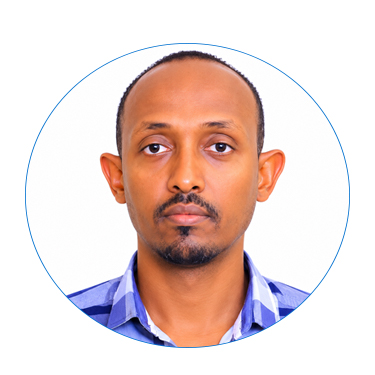
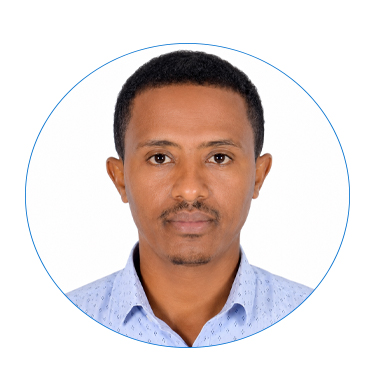
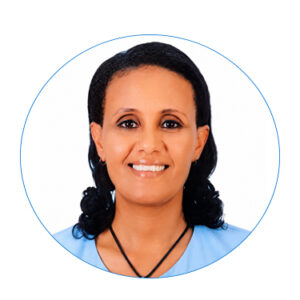
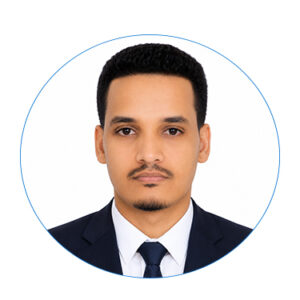
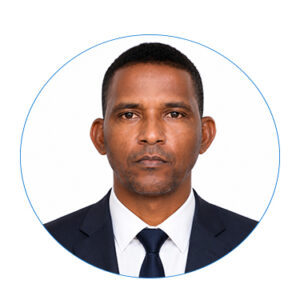
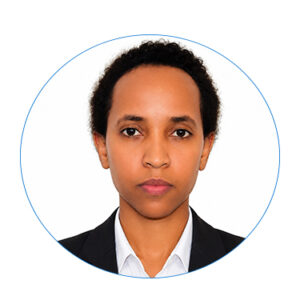
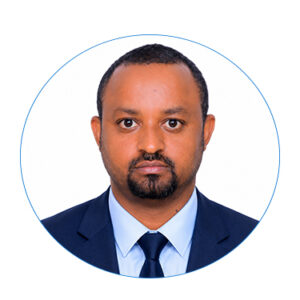
Abel Afework| Educational background |
|
|
| Work experience |
|
|
| Research interest |
|
|
| Brief description of proposed PhD research |
Urban energy transitions in Ethiopia: exploring electricity access, use, and the drivers of change in Addis Ababa Despite near‑universal grid access in Addis Ababa (99.9% of households), only 4.5% rely on electricity as their primary energy source, with biomass remaining dominant. This paradox reflects “electricity poverty,” where connection does not translate into meaningful use. Existing surveys and policies often reduce energy access to binary outcomes, overlooking usability, autonomy, and demand‑side realities. The World Bank’s Multi‑Tier Framework (MTF), though applied in Ethiopia, fails to capture perceived quality, meter sharing, and intermediary control. This study addresses the gap by examining the divergence between perceived and actual electricity access, employing the Capability Approach as the overarching lens. The Theory of Planned Behaviour and the Energy Justice Framework are integrated to analyze behavioral intentions, social norms, and justice principles. Through household surveys, discrete choice experiments, and policy evaluation, the research explores barriers, drivers, and willingness to transition, contributing to inclusive energy planning and Ethiopia’s path toward SDG 7. |
|
| Publications |
|
|
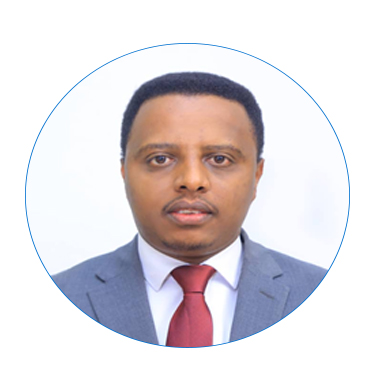
Dagnachew Terefe| Educational background | BA (2014) and MA (2019) Degrees in Sociology from Addis Ababa University. | |
| Work experience |
|
|
| Research interest | Gender and Development, Urban Social Problems, Poverty and Food insecurity, Migration and Displacement, Health and Society, Politics and Society. | |
| Proposed title of PhD research |
Addis Ababa’s Corridor Development Project and Its Implications for the Livelihoods of Relocated Households: Evidence from Selected Relocation Sites Description: This PhD research critically examines the Addis Ababa Corridor Development Project (CDP) and its implications for the livelihoods of relocated households. Launched in December 2022, the CDP is a large-scale urban redevelopment initiative aimed at modernizing the Ethiopian capital into a “world-class” metropolis. The study prioritizes four core areas: the policy background and debates surrounding the CDP, the government’s implementation strategies, the lived experiences and coping mechanisms of displaced households, and the projects implication for the sustainable City and Society. Employing a mixed-methods approach, including household surveys, in-depth interviews, focus group discussions, key informant interviews, policy document analysis, and media content analysis, the research investigates ongoing stakeholder debates over the project’s livelihood implications. Grounded in critical urban political economy and policy discourse analysis, the study aims to amplify marginalized voices and generate evidence-based recommendations for more equitable urban redevelopment practices. |
|
| Publications |
|
|
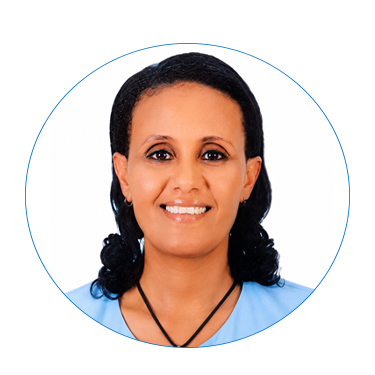
Daniel Bisset
| Educational background |
|
|
| Work experience |
|
|
| Research interest |
|
|
| Proposed PhD research | My project title is ‘Narrating National Development: A Political Economy Analysis of Development Representation in Ethiopian Media’, and through this project, I’m investigating how development is framed and presented in Ethiopian media. The media plays a crucial role in supporting the development endeavors of a country by serving as a tool for information dissemination, a platform for awareness creation, a stage for participation, and a watchdog to hold stakeholders accountable for their actions. However, this supporting role of the media is determined by the political-economic context in which it operates. In this regard, this project also investigates how development is framed in the policies and regulations that interact with the media sector because such policies and regulations are where the political economy of the country manifests. The project also investigates how the political-economic context of the country influences the development narratives in different media outlets. | |
| Publications | I have published four books, two poetry collections and two short story collections, in the Amharic language.
|
|
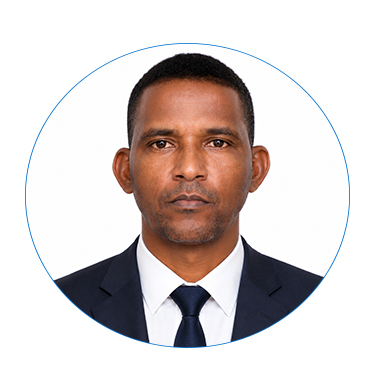
Eyob Asfaw| Educational background |
|
|
| Work experience | As of 2015, Eyob is currently serving as a ‘Lecturer of Moral and Civic Education’ and Senior Expert of Community Services at AAU. In the past, from Sept 2020 until March 2022 he used to serve as a ‘Project Administrator’ for Boundary and Identity Issue (ABII) Project hosted at AAU and commissioned by the former FDRE- ABII Commission.
In 2019, he participated in a study on ‘Mass Based Societies’ commissioned by Ministry of Peace, Ethiopia from April 2018- November 2019. In 2020, he participated in a study of the impact of COVID 19 on the essential services provided by the Ethiopian red cross for the vulnerable migrants. Added to that, his consultancy included producing white papers ‘Youth and Governance’ and ‘Youth and Climate change which is deposited at the Website of Talent Youth Association (https://tayaeth.org/resources/ ) Out of his voluntary engagement, until now he is serving as a member of organizing committee for ‘HoHE awards’ since 2017. Also, he is a member of executive board of Ethio-Think Tank Group. On the other hand,, his commentary and OP-ED has appeared on Capital newspaper, and Addis Insight. Added to that, he regularly blog through https://eyobasfaw.wordpress.com/ |
|
| Research interest | Title: The Paradox of Economic Progress: Growth and Youth Unemployment in Ethiopia( 2019 to Present)
In much of the mainstream academic discourse in the last century, economic growth is considered the chief instrument for job creation . However, the actual process and resulting outcome of growth in many national contexts have historically often failed to generate adequate employment opportunities. Being the second most populous country in Africa, Ethiopia has registered one of the fastest economic growth rates on the continent over the past two decades showed that 74 percent of Ethiopians rated the government’s performance in creating jobs ‘fairly badly’. In its operation, the puzzle of this study is the paradoxical coexistence of growth and youth unemployment in Addis Ababa and Dire Dawa: whereas significant homegrown economic reforms have been implemented, despite youth unemployment continuing to intensify. The core question of this research is: why is economic growth in Ethiopia not translated into generating adequate youth employment? |
|
| Publications |
|
|
Eyob Messafint H/mariam
| Educational background |
|
|
| Work experience |
|
|
| Proposed PhD Research | “Dependency or Development? Examining the Long-Term Effects of USAID Assistance on Ethiopia’s Economic and Social Growth.”
Eyob’s research intends to explore the intersection of development, peace and security, and political science. His proposed dissertation research focuses on understanding the impact of international aid on national development. This research aims to analyze and examine the long-term effects of USAID aid on Ethiopia’s economic development. The main focus will be on whether this assistance has fostered aid dependency or sustainable growth. The study will explore the role USAID plays in shaping Ethiopia’s policy making landscape, it will examine how aid programs influence economic decision making and also examines the role this aid plays in the development of key sectors like health and agriculture. The research will also assess whether USAID funded projects have left a lasting impact with a special focus on the sustainability of these programs after donor withdrawal. By studying the particular case of USAID in Ethiopia, the research intends to examine interplay between foreign aid and its dependency, its effect on indigenous development efforts, and influence the country’s path towards economic independence and development. The research will employ both qualitative and quantitative methods to explore the complexities of aid dependency in the Ethiopian context. He aims to bring multidimensional academic and work experience to bring a novel insight into the impact of aid on Ethiopia’s development and sustainability. |
|
Firew Abera| Educational background |
|
|
| Work experience |
|
|
| Research interest |
|
|
| Title and brief description of proposed PhD research (150 words) | Title: Agricultural Crop Input Supply Chain and Post-Harvest Management in Sidama Region, Ethiopia: Implication for Food Security.
Brief description: This PhD research investigates how agricultural crop input supply chain efficiency and post-harvest management (PHM) practices influence household food security among maize-producing smallholder farmers in the Sidama Region of Ethiopia. The study addresses persistent challenges including delayed input delivery, high transaction costs, poor storage systems, and post-harvest losses that undermine agricultural productivity and food security. |
|
| Publications(if any) |
|
|
Gebretsion Mehari| Educational background |
|
|
| Work experience |
|
|
| Research Interest |
|
|
| Title and brief description of proposed PhD research (150 words) |
Communication Ecologies and the Social Construction of Youth International Labor Migration Aspirations in Hosanna, Ethiopia My PhD research work is dominantly qualitative design which explores the communication dimension of migration in the context of Ethiopian research where its general research objective is to explore how community communication environments socially construct youth international labor migration aspirations in Hosanna. Hosanna is taken as the study site of this research work due to this town has high migration culture. Using interpersonal communication, community communication, digital communication, and transnational communication as analytical focus, in-depth interview, focus group discussions, participant observation, and key informant interview are used as methods of data collection. Communicative ecology framework, social constructionism, and migration aspiration- capability framework are employed as theoretical frameworks of this study. Conducting research on how communication ecologies shape youth migration aspiration can help communication practitioners, and policymakers to have better understanding of how migration related public discourses, aspirations, and decisions are framed, communicated and circulated among youths through everyday communication networks. |
|
| Publications |
|
|
Mahlet Gashaw Yesmaw| Educational background | BSc degree: – Construction Technology and Management (CoTM) From Wollega University
MSc degree: – Construction Engineering and Management (CEM) From Jimma University |
|
| Work experience |
|
|
| Research interest | Sustainable Construction, , Circular Economy, Sustainable Waste Management, Clean Energy, and Construction Materials. | |
| Proposed PhD research | Construction material circularity as a pathway to sustainable construction: Evidence from the Ethiopian construction industry.
My PhD research is about how Ethiopia’s construction industry can transition from the traditional linear “take-make-dispose” model to a circular economy. particularly it focusses on building materials. Through this study, I am: (1) critically assessing Ethiopia’s policy and regulatory environment for circular construction; (2) empirically mapping the adoption /maturity level of circular materials to identify exactly where the gaps are; and (3) analyze the structural determinants (financial, technical, legal, and market-related) that block design and construction firms from choosing circular alternatives. This will be the first system-wide circularity research in Ethiopia’s construction sector aims to provide evidence-based strategies to conserve natural resources, reduce waste and various type of pollutions, lower GHG emissions, and advance SDGs 9, 11, and 12. |
|

|
Luke Kamija Tembo |
| Name | LUKE KSMSIJS TEMBO | |
| Educational background |
|
|
| Work experience | I am an international development specialist. For the past fifteen years, I have held various senior positions in both government and international non-governmental organizations. I worked as a diplomat at the Malawi Permanent Mission to the African Union (2021-2026).
Prior to this, I worked as a Special Law Commissioner for the Malawi Law Commission, National Director for the Malawi Human Rights Defenders Coalition, Country Manager for Ipas Malawi, and Communications and Advocacy Officer for the Centre for Human Rights and Rehabilitation (Malawi). |
|
| Research interest | Political Governance; Public Policy; Human Rights and Development; Politics of Diplomacy; Gender and International Development | |
| Title and brief description of proposed PhD research (150 words) | Powering Malawi out of energy poverty: A political economy analysis of drivers and pathways
This PhD study critically analyzes the political economy of persistent energy poverty in Malawi. Despite progressive policies, abundant renewable resources, and substantial donor investment, Malawi remains deeply energy-poor, with only 15% national electrification and 98% biomass dependence. The study argues this paradox is not a technical or resource failure but a systematically produced outcome of historical path dependencies, power asymmetries, and entrenched institutional interests. Using a sequential explanatory mixed-methods design, the research integrates historical institutionalism, feminist political economy, and actor-network theory. It employs archival analysis (1949–2025), oral histories, stakeholder interviews, household surveys, and participatory co-design workshops with rural communities. The four specific research questions examine: (1) colonial legacies of energy infrastructure, (2) last-mile electrification bottlenecks, (3) the energy trilemma (security-equity-sustainability), and (4) gendered institutional influences on energy governance. The study’s transformative contribution lies in co-designing community-driven, feminist-informed governance pathways. Methodologically, it pioneers a power-weighted actor-network protocol and digital storyboarding for inclusive knowledge production, moving beyond symptom-diagnosis to genuinely transformative energy solutions for Malawi and similar Sub-Saharan African contexts. |
|
| Publications | 1. Coast, E., Fetters, T., Chiweshe, M. T., Vwalika, B., Griffin, R., Tembo, L., Strong, J., Chishiba, C., Birara, M., Chiudzu, G., Getachew, A., Welelaw, S. M., Kangaude, G., & Madise, N. (2024). Adolescent abortion care trajectories and safety in Ethiopia, Malawi, and Zambia: A comparative mixed methods study. PLOS Global Public Health. https://journals.plos.org/globalpublichealth/article?id=10.1371/journal.pgph.00044692. Strong, J., Coast, E., Fetters, T., Chiweshe, M., Getachew, A., Griffin, R., & Tembo, L. (2023). “I was waiting for my period”: Understanding pregnancy recognition among adolescents seeking abortions in Ethiopia, Malawi, and Zambia. Contraception. https://www.contraceptionjournal.org/action/showPdf?pii=S0010-7824(23)00068-9 |
|
SOSINA YITAY| Educational background |
|
|
| Work experience |
|
|
| Research interest |
|
|
| Proposed PhD research |
Lived Realities of Recent Rural–Urban Migrants in Addis Ababa: A Multi-Level Analysis of Structural Constraints, Social Resilience, and Quality of Life This research examines the lived experiences of recent rural–urban migrants in Addis Ababa, focusing on the structural, social, and economic challenges that shape their quality of life and integration into urban settings. The study explores issues related to employment, housing, access to services, social networks, resilience strategies, and urban vulnerability. Using a mixed-methods approach that combines qualitative interviews and quantitative analysis, the research aims to generate evidence-based insights into how migrants navigate urban realities and respond to structural constraints. The study also seeks to contribute to policy discussions on inclusive urban development, migration governance, social protection, and sustainable livelihoods in rapidly urbanizing contexts. The research intends to support more inclusive and context-sensitive development planning in Ethiopia by highlighting the experiences and coping mechanisms of migrants. |
|
Hirut Alemayehu| Educational background |
|
|
| Work experience |
|
|
| Research interest | My areas of interest in research are public health, gender related issues and HIV/AIDS prevention. I have actively pursued opportunities for professional development over the year to enhance my skills and knowledge in these fiels. These experiences have been instrumental in my growth as a healthcare professional and have positively influenced my ability to contribute to the field. As aspire to excel my profession and research to address the many health requirements of key priority populations, adolescent and youth and the general population in the health sector. | |
| Title and brief description of proposed PhD research topic |
INEQUALITIES IN HEALTH-RELATED QUALITY OF LIFE (HR-QOL) AMONG Female AdolescentS and YOUTH IN ETHIOPIA Health-related quality of life (HR-QoL) contains a range of health access, utilization and outcome indicators. HR-QoL assessments revealed health inequalities and focused interventions to enhance social determinants such as poverty, education and access to care. There are significant inequalities in access to/ utilization of healthcare services and risk of adverse health outcomes. Female adolescents and youth have lower health-related quality of life (HR-QoL), mainly due to notable differences in self-perception, mental and social well-being and physical activity. Access to and utilization of healthcare services and prevention of risk of health outcomes is a fundamental right for all citizens. The global development agenda, the Sustainable Development Goals ( 3, 5, and 10), have also given unwavering attention to promote appropriate access to and utilization of health services among female adolescents and youth. Ethiopian female adolescents and youth continue to face numerous obstacles and inequalities. Assessments concerning the inequalities in health-related quality of life among female adolescents and youth who are at risk are lacking. In order to close this gap and offer a novel perspective on inequalities in health related quality of life experienced by Ethiopian female adolescents and youth. |
|
| Publications | Research Article www.jcimcr.org Journal of Clinical Images and Medical Case Reports
The relationship between viral load status and fertility intention of HIV-positive women of reproductive ages in Addis Ababa: A hospital based study Hirut Alemayehu1 *; Chalachew Getahun2 1 Six Selected Public Hospitals, Department of ART, Addis Ababa, Ethiopia. 2 Center for Population Studies, College of Development Studies, Addis Ababa University, Sidist Kilo Campus 1176, Ethiopia |
|
Abdi Fufa Dinsa
| Educational background |
|
|
| Work experience |
|
|
| Proposed PhD research | “Balancing Public Values and Private Profit in Global South Urban Development: Evidence from a Systematic Review and Case Study of PPPs in Addis Ababa.”
Public-Private Partnerships (PPPs) have increasingly become an important mechanism for financing and delivering urban infrastructure in rapidly urbanizing cities of the Global South by combining private investment with public sector objectives. While PPPs are expected to improve efficiency, innovation, and infrastructure delivery, tensions often emerge between private profit maximization and public values such as equity, accessibility, affordability, sustainability, accountability, and public trust. Despite growing interest in PPPs, limited empirical research has examined how these competing interests are balanced in urban development projects, particularly in the Ethiopian context, where existing studies have mainly focused on legal frameworks, financing, and project planning. Guided by Public Value Theory, this study aims to examine how public values and private profit are balanced in urban development PPPs through evidence from a systematic review and a case study of Addis Ababa. Methodologically, the study employs a systematic review of PPP experiences across Global South countries to address the first two objectives: understanding why PPPs are preferred over traditional public procurement or private investment and examining how trade-offs between public values and private profit are negotiated in urban development projects. In addition, a qualitative case study approach in Addis Ababa will be applied to investigate the drivers and management of conflicts between public and private partners and to assess the role of effective negotiation in influencing the successful delivery of public values in urban PPP projects. The study seeks to generate policy-relevant insights for strengthening PPP governance and sustainable urban development in Addis Ababa and other Global South cities. |
|
Belayneh Bogale Zewde| Educational background |
|
|
| Work experience |
|
|
| Research Interest | Urban Service Delivery, Governance; Public Personnel Management; Geopolitics and regional development; Sustainability. | |
| Proposed PhD research | Brief description of proposed PhD research
Governance Arrangements and Service Performance in Urban Solid Waste Management: Evidence from Addis Ababa The study examines how governance arrangements shape solid waste management performance across sub-cities in Addis Ababa, Ethiopia. As rapidly urbanizing cities like Addis Ababa grapple with mounting waste crises, purely technical responses have proven insufficient. This study moves beyond such approaches by investigating how specific governance attributes, namely participation, accountability, institutional capacity, and coordination, function as mechanisms that affect service outcomes within a complex multi-actor and multi-level institutional setting. Drawing on sub-national comparative analysis, the research addresses a critical gap in existing scholarship, where governance has been treated as a background concern rather than a primary analytical lens. By generating empirically grounded evidence from an African urban context, the study contributes to theorizing the governance–performance relationship in ways that extend beyond Global North frameworks, offering insights relevant to policymakers and urban service managers seeking to improve solid waste governance.
|
|
| Publications |
|
|
Bernabas Petros Genechoe
| Educational background |
|
|
| Work experience |
|
|
| Research Interest | Digital Health & AI; Reproductive Health Security, Menstrual Mobile App; Health Policy; Gender Studies; Public Health; Sustainable Development | |
| Proposed PhD research | Contextual Alignment and Policy Implementation of Digital Health for Health Security: A Comparative Study of Global North and Local Initiatives in Urban Ethiopia
Reproductive health security remains a major public health and development challenge, particularly in low- and middle-income countries where sexually transmitted infections, HIV, cervical cancer, and adolescent pregnancy continue to disproportionately affect vulnerable populations. Digital health initiatives have increasingly emerged as important tools for improving reproductive health information access, prevention, and healthcare delivery. In Ethiopia, digital transformation has become a national priority through frameworks such as the Digital Health Blueprint 2021–2030 and Digital Ethiopia Vision 2030, alongside recent data protection reforms aimed at strengthening digital governance. Despite the growing adoption of digital health technologies, existing research has largely emphasized their technological potential while giving limited attention to how socio-cultural, institutional, and governance contexts shape their effectiveness in practice. Many digital health tools are developed within Global North settings and may not align with the realities of Global South contexts, including differences in digital literacy, healthcare infrastructure, privacy protections, and cultural norms. This study therefore examines how contextual alignment and policy implementation influence the effectiveness of digital health initiatives in advancing reproductive health security in Ethiopia, with particular emphasis on Addis Ababa. The study focuses on how governance frameworks, institutional arrangements, and socio-cultural factors shape the design, adoption, and implementation of digital health interventions. By providing an empirically grounded analysis of digital health governance and contextual adaptation, the study contributes to broader debates on digital health innovation, technology transfer, and reproductive health security in Global South contexts. |
|
| Publications |
|
|
Daniel Terssa Shone
| Educational background |
|
|
| Work experience |
|
|
| Research Interest | Sustainable employment, labor, foreign direct investment, trade, labor migration, industry development, skill development, and job creation | |
| Proposed PhD research | Brief description of proposed PhD research
Labor Regime and Social Dialogue in FDI-Led Industrialization: Institutional Arrangements and Labor Market Outcomes in Ethiopian Industrial Parks Despite Ethiopia’s rapid expansion of FDI-led industrial parks, which have generated substantial formal employment, particularly for young rural women, employment growth has not translated into decent work: workers face wages below subsistence level, precarious contracts, unsafe conditions, and severe restrictions on collective organization, a contradiction this study terms the sustainability paradox. This study examines how social dialogue, encompassing tripartite engagement among the state, employers, and trade unions; collective bargaining; and workplace-level consultation, shapes the quality of labor market outcomes across three purposively selected industrial parks, drawing on an integrated multi-scalar theoretical framework combining global production network theory, institutional theory, and labor control theory to generate the systematic micro-level evidence on how social dialogue institutions actually function in Ethiopian industrial parks. The study gives particular attention to the gendered dimensions of social dialogue exclusion and provides the first empirical evaluation of the labor regime at the park level. The study makes the following interconnected contributions: theoretically, it advances an integrated multi-scalar framework connecting GPN, institutional, and labor control theories in an African industrialization context; empirically, it produces the comparative micro-level evidence on social dialogue functioning across Ethiopian industrial parks; from a gender perspective, it theorizes gendered institutional exclusion as a structural governance failure rather than a demographic incidence; and from a policy standpoint, it provides an evidence base for reforming Ethiopia’s labor governance framework. |
|
Elsa Teshome
| Educational background |
|
|
| Work experience |
|
|
| Research Interest | Urban Wastewater management and reuse for sustainability of agriculture | |
| Proposed PhD research | Brief description of Proposed PhD research
Climate Change Compound Climate Extremes and Urban Development in Addis Ababa: Implications for Infrastructure and Public Health Stability In Ethiopia, Addis Ababa is facing various climate change challenges including rising in temperature, erratic rainfall, recurrent flooding, environmental degradation, socioeconomic and public health risks. To address these challenges, the country has adopted the Climate-Resilient and Green Economy (CRGE)’s Strategy, and updated Nationally Determined Contributions (NDCs). This was designed to promote climate change adaptation interventions across agriculture, water, health, forestry sectors, and reduce carbon base development. However, translating these national strategies into effective city level governance remains a critical challenge and the city’s infrastructure and the public health have continued to face challenges. Several climate changes related empirical studies were done in Addis Ababa focusing on climate trend data and vulnerability mapping, governance effectiveness of climate change and integration of climate change adaptation strategies. However, they did not specifically consider how climate change-induced compound extremes affect the stability of infrastructure and public health concerns of the city. Thus, this study is aimed to analyze how climate change-induced compound extremes affect the stability of infrastructure and public health in Addis Ababa. It also examines how the current urban planning strategies are effective in addressing climate induced extremes. |
|
Hawi Getnet Degu| Educational background |
|
|
| Work experience |
|
|
| Research Interest |
|
|
| Proposed PhD research |
Brief description of proposed PhD research Health Diplomacy and Pandemic Preparedness in Africa: Ethiopia, Regional Initiatives, and South–South Cooperation My academic and research interests focus on Global Health Diplomacy (GHD), pandemic governance, and the role of regional initiatives and South–South cooperation in addressing health inequalities in Africa. I am particularly interested in how the COVID-19 pandemic reshaped diplomatic engagements, regional collaboration, and political prioritization within global and African health systems. My work explores how institutions such as the African Union and Africa CDC, alongside regional procurement and cooperation mechanisms, contribute to pandemic preparedness, health security, and equitable governance. With a specific interest in Ethiopia’s role within continental and global health diplomacy, I aim to examine how regional and South–South collaborations influence policy responses, resource negotiations, and long-term health equity outcomes. Through interdisciplinary approaches that connect public health, international relations, and policy analysis, I seek to contribute to evidence and discussions on more equitable and sustainable health governance in Africa. |
|
Mastewal Moges
| Educational background |
|
|
| Work experience |
|
|
| Research Interest | Economic Development: Gender; Entrepreneurship; Small and Medium Enterprises (SMEs); Innovation Governance and Business Development Service; | |
| Proposed PhD research |
Brief description of proposed PhD research “Innovation Governance and Gender Dynamics on the Sustainability and Performance of Small and Medium Enterprises (SMEs) in Ethiopia” The relationship between governance and sustainable development is multidimensional and critical. Effective governance structures are essential for achieving sustainable development goals as they ensure that policies and programs are implemented efficiently and equitably. In addition to the institutions, innovation capabilities are also becoming the core of the center in a sustainable enterprise development. Furthermore, the ability of small and medium enterprises to integrate sustainability into their operations is becoming recognized as a key determinant of their long-term competitiveness and resilience. In fact, there are multifaceted challenges in enterprises development and business practices. However, the problem become more visible when it comes to women-owned enterprises. Therefore, this study aims to examine how innovation governance and gender dynamics affect sustainable enterprise outcomes in developing countries like Ethiopia. The study specifically asks how policy frameworks and gender dynamics influence the development of innovation capabilities and, in turn, the performance and sustainability in SMEs. Empirically the study focuses on small and medium enterprises, with particular attention to women-owned firms, in Ethiopia. The study will employ a mixed-methods approach, including case studies, surveys, and interviews, to provide comprehensive insights and contribute to both academic literature and policy-making. |
|
SARON MEBRATU KIBRET
| Educational background |
|
||
| Work experience |
|
||
| Research Interest |
|
||
| Proposed PhD research |
Application of value chain approach will help in creating employment and sustainable agribusiness, as a powerful tool for addressing key issues such as job creation, poverty reduction, and environmental sustainability. This will help developing Climate-smart Agriculture: a holistic approach that addresses climate change effects on agricultural productivity and food security. It is composed of three interlinked pillars: 1) sustainably increasing agricultural productivity and incomes; 2) adapting and building resilience to climate change and; 3) reducing and/or removing greenhouse gas emissions. This research proposal aims to conduct comprehensive, multi-dimensional research to identify opportunities and challenges in the agribusiness sector and develop strategies to strengthen agricultural value chains in central Ethiopia with the aim of creating sustainable and inclusive agribusiness as a footstep towards agricultural commercialization in the region.
|
||
| Publications
1. Gashaw, Bizualem Assefa, and Saron Mebratu Kibret “The role of Ethiopian commodity exchange (ECX) in crop value chain Development in Ethiopia” int J Bus Econ Res 7(2018): 183. 2. Mebratu, S., & Kenea, T. (2020). Review on Adoption of selected Improved Agricultural Technology on Production of Teff in Ethiopia. Academic Research Journal of Agricultural Science and Research, 8(3), 234-243.Gashaw, Bizualem Assefa, and Saron Mebratu Kibret. “Factors influencing Farmers’ membership preferences in Agricultural cooperatives in Ethiopia” American Journal of Rural Development 6.3 (2018): 94-103 3. Kenea, Tilahun, and Saron Mebratu “Review on perception and adaptation strategies of smallholder farmer’s to climate change in Ethiopia” International Affairs and Global Strategy 82 (2020): 15-24 4. Desalegn, T., Woldeyesus, Y., Berta, W., Kasaw, M., & Mebratu, S. (2025). Improving Presentation-Based Learning: In Case of 3rd-Year Agri-Business and Value Chain Management (ABVM) Students, Wolkite University, Ethiopia. Teacher Education and Curriculum Studies, 10(3), 84-89. |
Negussie Negash Abdi
| Educational background |
|
|
| Work experience |
|
|
| Research Interest |
|
|
| Proposed PhD research |
Harnessing The Triple Transition for Youth Sustainable Employment: Synergizing Digital, Green and Entrepreneurial Competencies through Lifelong Learning. Ethiopia is currently navigating a significant demographic transition, with more than 2 million youth entering the labor market annually, making youth. Human capital development of the country remains a challenge, while the young population represents a potential demographic dividend, scoring 0.38 on the World Bank’s Human Capital Index unemployment a major policy concern (International Labour Organization, 2022; World Bank, 2022/23). Current research extensively documents the individual pillars of this transition, treating them in isolation. However, a persistent mismatch remains between the skills supplied by training institutions and the competencies demanded by modern, evolving industries (World Bank, 2022; Mann, Bowen, Gill, & Kebede, 2011). What remains under-researched is holistic integration of the competencies; there is limited evidence on how the competencies can be integrated into a unified “triple transition” framework to maximize youth employability. Therefore, the purpose of this study is to investigate how Ethiopia can harness the triple transition to foster sustainable youth employment by synergizing digital, green, and entrepreneurial competencies through a lifelong learning framework. |
|
| Publications |
|
|
Selamawit Weldeslassie
| Educational background |
|
|
| Work experience |
|
|
| Research Interest |
|
|
| Proposed PhD research |
Brief description of proposed PhD research “Policy Implementation and Market Power in Access to Nutritious Food: A Political Economy Analysis of Food Governance in Addis Ababa” This study aims to critically analyze food system governance with specific focus on policy instruments, markets and power dynamics in Addis Ababa. Specifically, the study seeks to assess the effectiveness of existing policies, strategies, and regulatory instruments in ensuring access to affordable, safe, and nutritious food for urban residents, particularly vulnerable and low-income populations. It also aims to examine the roles and interactions of key actors across different levels of governance, identify gaps and challenges within the current food governance. |
|
| Publications |
Books
|
|
Nolawit Kebede
| Educational background |
|
|
| Work experience |
|
|
| Research Interest |
|
|
| Proposed PhD research |
Brief Description of Proposed PhD research “Assessing the progress and challenges of achieving SDG Goal 3: A focus on Maternal and Child Health in Ethiopia.” The research proposal focuses on assessing Ethiopia’s progress towards achieving Sustainable Developmental, Goal 3, which aims to ensure global health and well-being for all at all ages, with a specific focus on maternal and child health. Even though Ethiopia has made significant strides in reducing maternal and child mortality, it still faces challenges in meeting SDG 3 targets. These challenges include inequalities in access to health care services, continuum of care, quality of health care services, and national security issues. Another challenge was related to the policies and strategic plans concerning maternal and child health. Qualitative analysis will be employed using data from the Ethiopian Demographic and Health Survey and ARIMA forecasting models will be used to project future outcomes. Qualitative data collection will be done through interviews with key informants from government and non-governmental organizations. In essence, this research aims to provide a comprehensive analysis of Ethiopia’s progress towards SDG 3, identify key challenges, and recommend strategies for improvement, ultimately contributing to the reduction of maternal and child mortality and the promotion of overall well-being. |
|
| Publications |
|
|

| Educational background |
|
|
| Work experience |
|
|
| Research Interest |
|
|
| Proposed PhD research |
Brief description of proposed PhD research “Institutional Responses to Conflict-Induced Displacement and its Effects on the Governance of Sustainable Development in Ethiopia” This planned study aims to investigate response mechanisms to displacement and its effect on the governance framework of sustainable development and the progressions toward social equity. To achieve this objective, the research will use a combination of qualitative and quantitative approaches. Through utilizing mixed approach, the study will assess various responses, policy interventions and institutional capacity to manage displacement, stimulate inclusive and sustainable development. |
|
| Publications |
|
|

| Educational background |
|
|
| Work experience |
|
|
| Research Interest |
|
|
| Proposed PhD research |
Brief description of proposed PhD research Governing the Climate-Sustainable Development Nexus: Analyzing the Integration and Implementation of Ethiopia’s Long-Term Low Emission and Climate Resilient Development Strategy (Goal 13 Climate Action) This study will evaluates the integration and implementation of Ethiopia’s Long-Term Low-Emission Development Strategy (LT-LEDS) to identify governance gaps, strengths, and opportunities for enhancing its effectiveness. The research pursues four key lines of inquiry: first, it maps the institutional architecture and assesses policy coherence to understand how the strategy is embedded within the existing governance framework. Second, it will evaluate the practical implementation mechanisms and institutional capacities currently in place. Third, it will analyzes the key synergies and trade-offs between the LT-LEDS pathways and the Sustainable Development Goals (SDGs). Finally, it will examine the structures for multi-stakeholder engagement and accountability to ensure inclusive and transparent governance. By addressing these areas, the study aims to provide actionable insights for improving the strategy’s role in achieving synergistic climate and sustainable development outcomes. |
|
| Publications |
|
|

| Educational background |
|
||
| Work experience |
|
||
| Research Interest |
|
||
| Proposed PhD research |
The proposed PhD research, titled “Integrated Climate-Resilience Pathways for Tanzania/Ethiopia: Linking Water Security, Renewable Energy, and Food Systems, seeks to overcome sectoral silos that impede integrated resilient planning across sectors. By focusing on the systemic linkages within the Water–Energy–Food (WEF) nexus, the research aims to unlock co-benefits, reduce trade-offs, and address resilience deficits to improve the efficiency of governments’ limited resources and improve the livelihoods of rural communities, women, and youth. The overarching objective is to design and validate an evidence-based framework for integrated climate resilience linking water, food, and energy systems. To achieve this, the research employs a mixed-methods methodology that combines comparative case studies, stakeholder engagement, and quantitative model analysis. This research is designed to yield a practical package of tools and policy guidance to facilitate scaling. Expected outputs include a Decision Supporting Framework, a WEF Indicator Scorecard, and an Excel Decision Matrix tested in pilot districts. These deliverables will provide regional economic communities and AU Member States with the necessary implementation guidance to scale integrated strategies across the continent. |
||
| Publications |
Assessing the impacts of climate variability and change on rain-fed dependent community agriculture projects in Tanzania, Levira, Pamela https://research.usc.edu.au/esploro/outputs/graduate/Assessing-the-impacts-of-climate-variability/99449763502621/filesAndLinks?index=0 |
||

| Educational background |
|
|
| Work experience |
|
|
| Research Interest |
|
|
| Proposed PhD research |
Brief description of proposed PhD research From SDG Finance Pledges to Bankable Green Deals: Sequencing Public Risk-Sharing in African Investment Systems This proposed PhD research investigates why substantial SDG and climate finance commitments in Africa so often stall before reaching financial close, focusing on the governance and sequencing of public risk-sharing instruments in selected African countries, including Ghana, Kenya, Ethiopia, and South Africa. The core argument is that the main bottleneck is not only the volume of available finance, but how guarantees, blended finance facilities, and other de-risking tools are integrated into national public investment and fiscal risk management systems. The study will examine when and how ministries of finance, development banks, and line ministries deploy guarantees, subordinated capital, and viability-gap support within the public investment management cycle, and how these decisions affect the credibility of state commitments and the bankability of green and SDG-aligned projects. Methodologically, the study will adopt a comparative qualitative case study design, combining document analysis, process tracing of flagship green infrastructure and climate-resilient projects, and semi-structured interviews with policymakers, development finance institutions, and private investors. By comparing centralized and devolved governance settings, the research will identify institutional arrangements and sequencing practices that enable fiscally constrained African states to integrate public risk-sharing instruments earlier in project preparation, standardize risk allocation, and expand the frontier of bankable SDG investments without undermining debt sustainability. The anticipated contribution is both analytical and practical: a governance-focused framework for understanding Africa’s green investment execution gap, and policy recommendations for ministries of finance, regional development banks, and international partners seeking to convert development finance pledges into investable projects. |
|
| Publications |
|
|

| Educational background |
|
|
| Work experience |
|
|
| Research Interest |
|
|
| Proposed PhD research |
Brief description of proposed PhD research “Farmer Managed Natural Regeneration (FMNR) as a sustainable land restoration approach: with an integration of Geospatial analysis and modelling” This research proposal aims to evaluate Farmer Managed Natural Regeneration (FMNR) as a sustainable and community-driven land restoration approach in Ethiopia compared to conventional top-down reforestation methods. Despite significant investments in restoration initiatives, many projects have failed to achieve long-term sustainability due to low community ownership, high costs and poor survival rates of planted seedlings. Grounded in Social-Ecological Systems Theory, the “Underground Forest” concept and Resilience Theory, the study will assess the ecological and socio-economic effectiveness of FMNR using World Vision Ethiopia’s Demonstration and Learning Sites (DLSs) as case studies. A mixed-methods comparative design combining geospatial analysis, field measurements and community consultations will be employed to examine land cover change, biomass recovery, soil moisture restoration, biodiversity return and local perceptions of FMNR. Time-series satellite imagery processed through ArcGIS software or Google Earth Engine, alongside empirical field data such as tree biomass and hydrological measurements, will provide evidence of ecological recovery, while interviews and focus group discussions will explore factors influencing long-term adoption and sustainability. The study ultimately seeks to generate data-driven evidence demonstrating that FMNR is a more resilient, cost-effective and locally sustainable restoration strategy for scaling across Ethiopia. |
|
| Publications |
Proceedings
|
|

|
TEMESGEN TADESSE YITAYIH |
| Educational background |
|
|
| Work experience |
|
|
| Research Interest |
|
|
| Proposed PhD research |
Brief description of proposed PhD research “Quantitative Modeling of Sustainable Development Outcomes under Climate Change in Pastoral and Agro-pastoral Areas of Ethiopia” This research will examine how climate change affects sustainable development outcomes among pastoral and agro-pastoral communities in Ethiopia. These communities depend largely on livestock production for their livelihoods but are increasingly vulnerable to climate variability, including recurrent droughts, rainfall variability, and rising temperatures, which reduce pasture, water availability, and livestock productivity ultimately impacting livelihoods. The study uses quantitative approaches by integrating household level data, climate datasets, and remote sensing indicators to assess the impacts of climate factors on sustainable development outcomes such as household income, food security, asset ownership, and livelihood resilience. Focusing on pastoral and agro-pastoral communities of regions in Ethiopia, the research also analyzes spatial and temporal variations in climate variability impacts and identifies household and environmental factors that influence the resilience and sustainability of pastoral and agro-pastoral livelihoods. The study will provide robust empirical evidence on how climate change translates into development outcomes in contexts where livelihoods are widely affected by climate‑variability. |
|
| Publications |
|
|

| Educational background |
|
|
| Work experience |
|
|
| Research Interest |
|
|
| Proposed PhD research |
Brief description of proposed PhD research “Strengthening Governance for Sustainable Development in Ethiopia: Legal and Institutional Frameworks and Local Justice Processes for Gender-Responsive Business and Human Rights Compliance” This proposed PhD research aims to identify and critically assess domestic laws, policies, and regulatory instruments governing business and human rights in Ethiopia, with particular attention to gender-responsive obligations and provisions relevant to Environment, Social and Governance (ESG). It aims to investigate how institutional structures and enforcement mechanisms support or constrain gender-responsive compliance by businesses, and to identify gaps in practice that affect both human rights outcomes and ESG implementation. This study adopts a qualitative, empirical design to explore how legal frameworks, institutional arrangements, and local justice mechanisms influence gender-responsive compliance with business and human rights standards in Ethiopia. The research combines legal and policy analysis with field-based investigation on how these frameworks operate in practice and impact sustainable development. |
|
| Publications |
|
|

| Educational background |
|
|
| Work experience |
|
|
| Research Interest |
|
|
| Proposed PhD research |
Brief description of proposed PhD research “From Dependency to Contribution: A Governance Framework for Refugee Integration into Ethiopia’s Sustainable Development Goals (SDGs)’’ Ethiopia, hosting over one million refugees from 34 countries, has historically relied on a humanitarian, encampment-based model that fostered dependency on aid. In the past decade, however, the country has shifted toward a development-oriented approach, marked by milestones such as the 2016 Nine Pledges, the Global Compact on Refugees, the 2019 Refugee Proclamation granting rights to work and access services, and inclusion roadmaps like Kebribeyah and Melekadida. These reforms, aligned with Ethiopia’s Ten-Year Development Plan and the Sustainable Development Goals, aim to move refugees from dependency to self-reliance by integrating them into national systems of education, work, and documentation. Globally, refugees are increasingly recognized as contributors to local economies, and evidence shows they can stimulate markets, create businesses, and transfer skills when policies are enabling. Yet Ethiopia’s progress remains uneven due to funding shortages, overstretched services in hosting regions, and coordination gaps among government, partners, and communities. Health, education, WASH, shelter, and livelihood programs remain under-resourced, and refugee inclusion is not fully aligned with the SDG agenda. The transition from dependency to contribution therefore, requires more than policy—it demands a coherent governance framework that integrates refugee inclusion into national development systems, strengthens inter-sectoral coordination, and reflects refugees’ lived experiences. The findings of this research will provide valuable insights to policymakers to address this gap by developing an evidence-based governance framework for sustainable refugee inclusion in Ethiopia. |
|
| Publications |
|
|